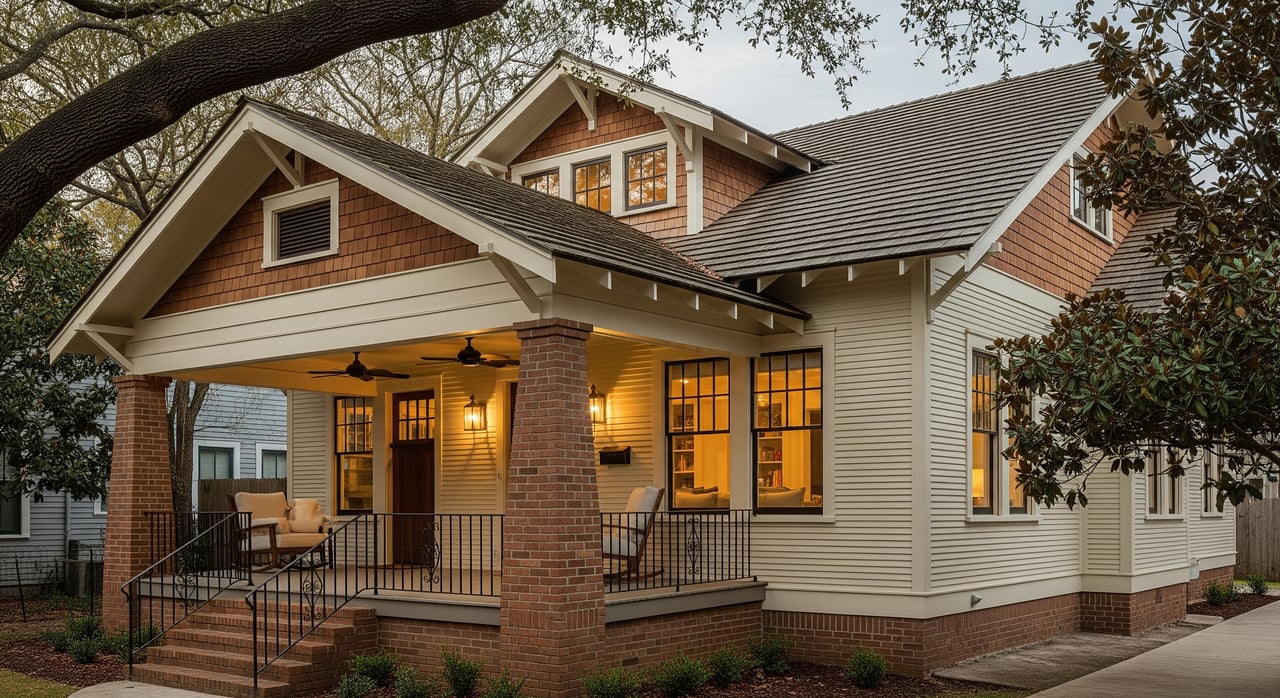
Heard that Houston has no zoning? If you are eyeing a historic home in Riverside Terrace or comparing it to a newer build, that phrase can feel unsettling. You want character, value, and a clear picture of what could change around you. In this guide, you will learn how Houston’s system actually works, what to watch for on each block in Riverside Terrace, and the due diligence steps that protect your purchase and long-term enjoyment. Let’s dive in.
What “no zoning” means in Houston
Houston is the largest U.S. city without a citywide zoning code, but there are still rules that shape what gets built and where. Development outcomes come from a mix of private deed restrictions, subdivision and platting rules, building permits and inspections, and sometimes historic district controls. State and federal regulations, including floodplain rules, also play a role.
The practical takeaway is simple. Instead of one zoning map, Houston relies on recorded covenants and the city’s permitting and platting process to guide land use. For you, that means the specific deed and plat for a given parcel matter as much as the broader neighborhood.
How this shows up in Riverside Terrace
Deed restrictions shape what can be built
Deed restrictions are private rules recorded in county records that can limit use, setbacks, building types, and design. They are enforced by neighbors or associations through civil action, not by the city. In older areas like Riverside Terrace, deed restrictions may be active, amended, or sometimes lapsed, so the exact language and local enforcement history matter.
Restrictions can be narrow, like single-family use only, or more detailed, like architectural review or landscaping standards. Because enforcement depends on owners, compliance can vary from block to block.
Lot patterns and replatting
Historic neighborhoods often have larger lots, deep setbacks, and mature trees. In Houston, lot splits and replats are common where demand is strong. That means an original large lot can be divided into two or more buildable sites if it meets platting and infrastructure requirements.
Teardowns and replacement homes are also common. New builds can be larger than the surrounding housing stock, which changes block scale even when the use stays residential.
Permits, setbacks, and plats
The city regulates site work through plat approval and permits for new construction, additions, driveways, and sidewalks. Setbacks and building lines shown on the recorded plat often control where a structure can sit on the lot. Replatting may require drainage improvements or on-site detention.
Demolition permits are required, and design review may apply where a local historic overlay is in place. Always verify the recorded plat and any city-imposed conditions before planning alterations.
Historic designation and overlays
Local historic districts or conservation overlays can limit demolition and control exterior changes through design review. National Register status recognizes significance and can offer incentives, but it does not by itself prevent demolition. If a part of Riverside Terrace has a local designation, that will materially affect your options. Confirm status early in the process.
Floodplain and infrastructure
Proximity to Houston’s bayous influences floodplain maps and elevation requirements. Flood risk and drainage rules can affect design, cost, and timing for new work or major renovations. Utility capacity, including sanitary and storm lines, can also limit density increases unless off-site improvements are made.
Typical redevelopment patterns to watch
- Teardowns replaced with larger homes on original lots.
- Lot splits that create two or more homes where one stood before.
- Infill duplexes or small multifamily near arterials and transit corridors.
- Commercial or mixed-use at the edges where lots front major roads.
- Institutional reuse or expansion on church, school, or campus parcels.
On your tour: quick visual cues
- Fresh foundations, active construction, or demolition fencing that signal new plats or lot splits.
- Newer homes that are noticeably larger or closer to lot lines than older neighbors.
- Signs of active civic association engagement, such as posted notices about covenant enforcement.
- Block-to-block variability. One or two redeveloped lots often signal more to come.
Due diligence checklist for buyers
Legal and title checks
- Obtain a full title commitment and read recorded restrictive covenants in the chain of title.
- Retrieve deed restriction documents, amendments, and dedications from county records.
- Ask for any HOA or civic association documents, including enforcement updates or meeting notes.
- Verify any local historic district or conservation overlay that could trigger design or demolition review.
- Confirm utility, drainage, or access easements that limit use or future expansion.
Why this matters: these documents define what you and your neighbors can do and how likely nearby change is.
Survey and boundary
- Order a current boundary or improvement survey to confirm lot dimensions and setback lines.
- Locate all easements shown on the plat or title documents.
- If you are considering redevelopment, ask about the feasibility of replatting or a lot split under current rules.
Why this matters: accurate site limits and buildable area drive design, parking, and compliance.
Permits and municipal records
- Review Houston Permitting Center records for recent permits on the property and nearby parcels.
- Check for pending permit applications that can point to upcoming construction.
- Review city planning maps for local overlays, thoroughfare updates, or right-of-way projects.
- Scan county or state transportation plans for road work that may affect access and noise.
Why this matters: permits and plans reveal what is changing on your block and when.
Physical inspections
- Schedule a structural and foundation inspection. Expansive clay soils can stress slabs and piers.
- Scope the sewer line to check for cracks, offsets, or capacity issues.
- Order pest and termite inspections, and screen older homes for lead paint or asbestos.
- Consider a tree survey. Mature roots can affect foundations and drainage.
Why this matters: older homes can carry hidden costs that affect insurance, resale, and timelines.
Flood, drainage, and insurance
- Check FEMA and local floodplain maps for the exact parcel.
- Obtain or request an elevation certificate when available.
- Ask insurers for property-specific quotes for homeowners and flood coverage.
Why this matters: flood risk drives insurance, lending, and rebuild costs.
Market and neighborhood context
- Review comparable sales on the same block to see how the market values historic character versus new construction.
- Visit at different times of day to understand traffic, parking, and ambient noise.
- Speak with neighbors or civic leaders about redevelopment activity and covenant enforcement.
Why this matters: context shapes long-term enjoyment and future value.
How your agent adds clarity
Pull the right records
Your agent should retrieve deed restrictions, amendments, and easements from county records, plus permit history from the city. They can also secure seller disclosures and any association bylaws or minutes. This creates a clear picture of rules on the lot and on the block.
Walk the block with purpose
A knowledgeable agent will point out recent replats, new builds, and demolition activity during tours. They should flag red flags such as signs of foundation movement or drainage issues and suggest the right specialists.
Coordinate specialists
Your agent can recommend and coordinate a foundation expert, sewer scope, pest inspection, and a current survey. For buyers considering redevelopment, they can connect you with an architect or land planner who knows Houston’s platting process.
Read redevelopment potential
Without giving legal advice, a skilled agent can provide a practical read on pressure and timing. For example, multiple replat filings on one block can indicate a shift toward smaller lots, while strong civic enforcement may preserve existing patterns longer.
Negotiate to reduce risk
Your agent can help structure contingencies tied to survey results, foundation findings, permit reviews, and historic or overlay status. They can also advise on price adjustments if nearby redevelopment or weak covenant enforcement impacts your risk profile.
Balancing historic charm and new build
In Riverside Terrace, the choice between a historic home and a newer build comes down to lifestyle, risk tolerance, and budget for maintenance or design. Historic homes offer character and mature streetscapes, but they require deeper inspections and a careful read of covenants and plats. Newer construction may fit modern layouts and efficiency, but can change block scale and future context.
The key is to understand what controls apply to your lot and your street, then align those rules with your goals. When you do that work upfront, you can buy with confidence and preserve your options down the road.
If you want a guided, low-stress way to explore Riverside Terrace and central Houston, connect with Monique McDaniel. You will get a curated search, clear due diligence steps, and the concierge-level support to make a confident move.
FAQs
Does Houston’s no-zoning allow a business next door in Riverside Terrace?
- Not necessarily. City permitting and building codes still apply, and private deed restrictions often limit nonresidential uses. Always review the deed and recent permit activity for your block.
Are deed restrictions in Riverside Terrace permanent?
- They can be perpetual, time-limited, or amendable by owner vote. Their impact depends on the recorded language and how actively neighbors enforce them.
Will historic designation stop teardowns on my street?
- Only a local historic district or conservation overlay that triggers design and demolition review can limit teardowns. National Register listing alone does not prevent demolition.
How likely is a nearby lot split?
- It depends on lot size, the recorded plat’s minimums, and market demand. Signs include recent replat filings, multiple new-build permits, and large original lots on the block.
What renovation costs surprise buyers of older Houston homes?
- Big-ticket items often include foundation repair, sewer line replacement, electrical upgrades, and drainage or flood mitigation. Specialized inspections are essential.