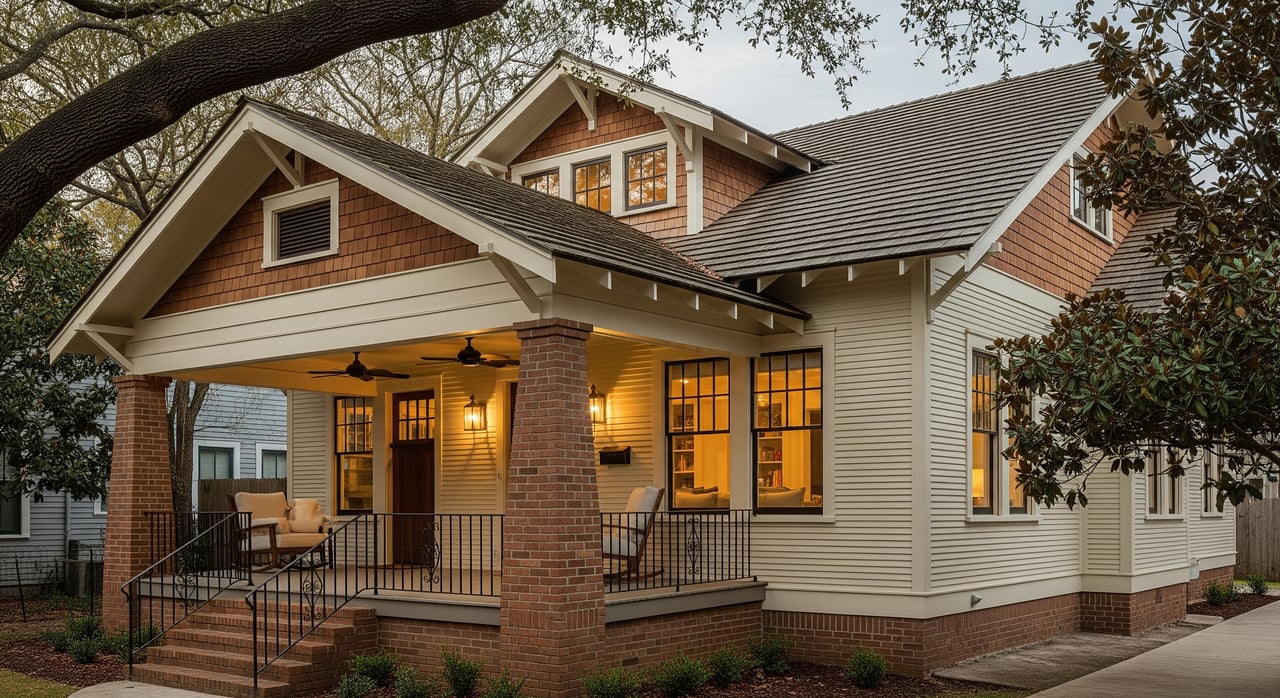
Pricing a bungalow in Greater Third Ward is not just about square footage. In this central Houston neighborhood, lot value, renovation scope, and nearby submarkets can shift buyer expectations in real time. If you are preparing to list a renovated or original-condition bungalow, a smart pricing plan helps you earn attention, reduce surprises, and protect your bottom line. In this guide, you will learn how to weigh condition versus land, select the right comps, and position your home for today’s buyers and builders. Let’s dive in.
What drives value in Greater Third Ward
Central location and buyer mix
Greater Third Ward sits near Downtown, major universities, and the Texas Medical Center. That proximity draws a mix of buyers who value central living and shorter commutes. You will likely see interest from move-in-ready homeowners, individual investors, and spec builders who analyze land potential.
Redevelopment and lot pressure
The area has a blend of renovated bungalows, infill construction, and some tear-downs. Where redevelopment is active, highest-and-best-use often matters as much as the house itself. Larger or well-positioned lots can command attention from builders who value buildable area and the potential to add square footage.
Risk factors buyers weigh
Flood exposure in parts of Houston influences price and financing. Buyers and lenders look for FEMA flood data, any elevation certificates, and estimated insurance costs. Older bungalows also raise questions about HVAC, electrical, plumbing, and permitting history, which can affect loan approvals and your negotiation power. Historic overlays, deed restrictions, and City of Houston code rules may shape what is possible on the lot.
Renovated vs. original pricing
Why turnkey commands a premium
Renovated, move-in-ready bungalows remove risk for buyers. Modernized systems, permitted work, and updated kitchens and baths justify higher price per square foot. The premium reflects certainty and a faster path to occupancy.
Estimate the discount with cost-to-cure
Original-condition homes typically sell at a discount to renovated comps. Use a cost-to-cure approach to estimate that gap. Gather realistic contractor bids to bring the home to the level of renovated comps, then add a margin for buyer risk and time. Subtract that total from renovated sale prices to set a sharper as-is target.
Appraisals and lender realities
Appraisers must anchor value to recent sales. If most nearby sales are fully renovated, an original-condition home may appraise below a seller’s expectations. Lenders can also require certain safety or system repairs before closing. Pricing within a clear condition tier helps reduce appraisal friction and re-trade risk.
Renovate or sell as-is
Renovate when the expected price increase exceeds your total cost, including carrying and selling expenses, and the timeline fits your plans. Sell as-is when repairs are complex, time is limited, or you are managing an estate. Many sellers find selective upgrades, such as system repairs plus paint, flooring, and light kitchen or bath refreshes, deliver the best return without overcommitting.
Choose and adjust comps
Start with the right radius and time frame
Prioritize closed sales from the last 6 to 12 months within about a half mile. If inventory is thin, you can extend the time window or radius, then adjust for time and location differences. Be mindful of highways, major roads, and submarket edges that create price breaks.
Compare lots and living areas
Lot size and position often drive value in infill markets. Corner lots, alley access, or unusually wide frontages can add land-based premiums. Match living area, bedroom and bath count, and layout as closely as possible. Functional differences can be more important than raw square footage.
Condition tiers and adjustments
Group comps into three tiers: turnkey/renovated, updated but not turnkey, and original/needs work. When crossing tiers, adjust using cost-to-cure for missing improvements, plus a contingency for buyer risk. Consider amenity adjustments for off-street parking, garages, porches, permitted work, and preserved historic details.
A simple comp workflow
- Pull 6 to 12 sold bungalows within 0.5 mile and sort by condition tier.
- Mark fully renovated comps to set the top of market for your product type.
- For original-condition sales, add an estimated cost-to-cure and contingency to see the implied renovated value.
- Compare the renovated comp median to this implied value to calibrate your list price.
When lot value leads price
Signs the land is the draw
If new construction nearby sells at materially higher values, buyers may evaluate your property as a lot first and a house second. Larger lots, corner sites, or parcels with alley access or potential for additional units often attract builder offers. The stronger the new-build market, the more weight buyers place on land.
Separate house and land value
Use recent land or tear-down sales to derive a price per buildable square foot. Then separate the house contribution using replacement cost less depreciation. Investors also back into a land price using after-repair value and expected profit. Presenting this split clearly helps explain why developer offers may differ from owner-occupier bids.
Verify rules and restrictions
Houston does not have traditional zoning, but deed restrictions, historic overlays, setbacks, and minimum lot size rules still apply. Confirm any constraints and recent permits to avoid overstating redevelopment potential. Clear guidance on what is allowed builds buyer confidence and protects your pricing narrative.
Position against nearby submarkets
Museum, Medical, and Midtown pull
Proximity to the Museum District, the Medical Center, Midtown, and Downtown can lift perception and buyer demand. Renovated bungalows that align with finishes seen in those areas may reach higher pricing bands when direct comps exist. Be precise about micro-location and how commuting or cultural amenities shape buyer interest.
Tailor to buyer segments
Owner-occupiers prioritize turnkey condition and clean permit history. Investors and spec builders focus on lot dimensions, allowable build area, and after-repair value. If you aim for both groups, your listing should speak to systems, finish quality, and floor plan while also highlighting land specifics and utility connections.
Pricing tactics by your goal
- Maximize price with time: complete high-ROI updates, stage, and enter the renovated tier confidently.
- Quick sale with minimal work: price in the original-condition tier to attract investors and builders.
- Hybrid strategy: address key systems and light cosmetics, then price just below renovated comps to capture the widest buyer pool.
Pre-listing checklist
- Gather documents: tax records, prior permits, utility bills, surveys, warranties, and any contractor invoices.
- Flood readiness: pull FEMA flood information and locate any elevation certificate.
- Contractor bids: secure 2 to 3 estimates for likely repairs or upgrades.
- Lot verification: confirm dimensions, easements, alley access, and deed restrictions.
- Market review: compile 6 to 12 recent solds and a few actives grouped by condition tier.
- Appraisal plan: prepare your comps and cost estimates to share with appraisers and lenders.
Marketing and disclosure that build trust
Clear, documented information shortens negotiations and supports your price. Provide a recent list of permitted work, contractor bids, and any flood mitigation or insurance details. If you plan targeted updates, consider using Compass Concierge to improve presentation before you list. Pair that with a polished, 3-phased marketing strategy that launches with strong visuals, then sustains interest with measured updates and cross-channel exposure.
Ready to price with confidence
If you want a pricing plan tailored to your bungalow and your timing, connect with a neighborhood specialist who blends data and design. With a concierge approach and proven central Houston experience, you can position your home for the right buyers at the right price. Start with a conversation with Monique McDaniel.
FAQs
How should I price an original-condition bungalow in Greater Third Ward?
- Use cost-to-cure estimates plus a contingency to adjust from renovated comps, then price within the original-condition tier to attract both investors and value-focused homeowners.
What if most nearby comps are renovated?
- Expect appraisals to favor those sales; price by subtracting realistic renovation costs and a risk margin from renovated values, and support your list with clear documentation.
How do flood maps and insurance affect price in Houston?
- Flood risk narrows the buyer pool and can add insurance costs, so provide FEMA information and any elevation certificates upfront to reduce uncertainty and keep negotiations on track.
When does it make sense to sell for lot value?
- If new construction values far exceed renovated bungalow pricing or the home needs major systems and structural work, you may net more by targeting builder buyers and emphasizing land specifics.
How can Compass Concierge help before listing a bungalow?
- Concierge can fund and coordinate targeted updates like paint, flooring, lighting, or curb appeal, helping you compete in the renovated tier without large upfront costs.
What documents should I prepare before listing in Greater Third Ward?
- Gather HCAD tax records, permits, surveys, warranties, flood information, and recent contractor bids so buyers, appraisers, and lenders can evaluate your home with confidence.